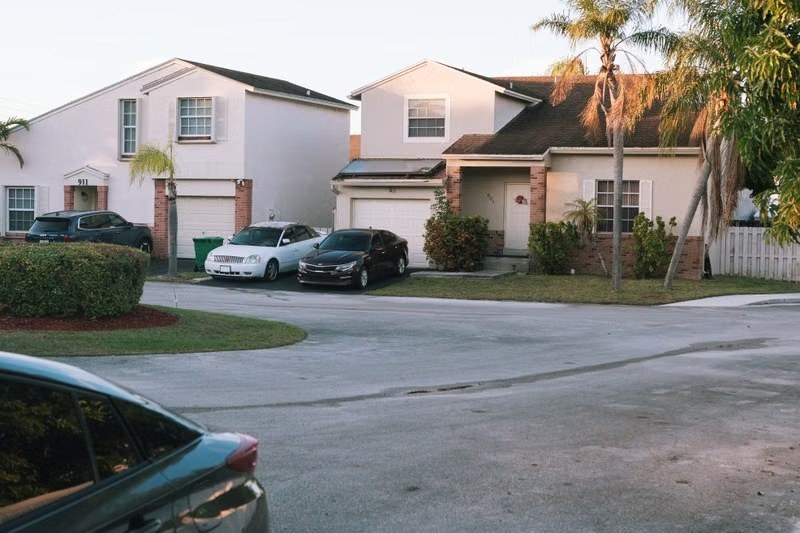
Owning a home in Central Florida comes with many rewards, along with an annual property tax bill. Florida offers an important benefit that can significantly reduce that bill for people who make their home their permanent residence: the homestead exemption.
Understanding how the exemption works, and making sure you apply on time, is one of the simplest ways for Florida homeowners to save money year after year.
How the homestead exemption works
If you own your home and it is your permanent residence as of January 1, you may qualify for a homestead exemption that reduces the assessed value of your property for tax purposes. The exemption can reduce the taxable value of your home by roughly $50,000, with part of the exemption now adjusted each year for inflation and the second portion not applying to school district taxes.
Applications are filed with your county property appraiser, such as the Seminole County Property Appraiser for homes in Winter Springs. The deadline is generally March 1 of the year you are applying for, and you will typically need proof of residency such as a Florida driver license and vehicle registration.
Applying for your homestead exemption is one of the easiest ways to keep more money in your pocket.
Save Our Homes and other benefits
Once your homestead exemption is in place, Florida's Save Our Homes provision limits how much the assessed value of your home can increase each year. Annual increases are capped at three percent or the change in the Consumer Price Index, whichever is lower, which can protect you from sharp jumps in your tax bill when home values rise quickly.
If you move to a new Florida home, you may be able to transfer some of your accumulated Save Our Homes benefit, a feature known as portability. Additional exemptions may also be available for seniors who meet income limits, veterans with service-connected disabilities and certain other residents, so it is worth checking what you qualify for.
Finally, include property taxes and insurance in your overall budget. If your taxes are paid through a mortgage escrow account, changes in either one will affect your monthly payment, so reviewing your escrow statement each year helps you plan ahead.
The advisors at Finance Grow Support help Winter Springs and Central Florida homeowners plan for property taxes and housing costs. Contact us for a free support session.
Want support building your plan?
Talk to a licensed advisor for free. Call +1 407-327-9000 or send us a message.